

View the regular checkup for a casino game like Topo Mole as a compulsory examination https://topomolecasino.com/. It’s not about the patient’s personality and focused on its essential metrics. In the UK, this “examination break” requires a stop. Operators are required to halt, step back, and demonstrate their whole system still complies with the rigorous regulations. We’re not present to judge the whack-a-mole fun. Instead, we’re examining the condition of the system that hosts it. This break is for regulatory audits, system inspections, and making sure everything conforms to what the UK Gambling Commission requires. The goal is fairness, strong protection, and encouraging controlled gaming.
The Aim of the Annual Operational Review
For any virtual casino game active in the UK, this annual review is required. It’s a legal condition of possessing a licence. The primary purpose is to demonstrate ongoing compliance with the 2005 UK Gambling Act and the particular regulations from the UKGC. Nobody handles this as a simple checkbox task. It’s a full audit. Teams confirm the random number generator is truly random. They confirm financial transactions are precise and traceable. They evaluate player protection tools, like deposit limits and self-exclusion, to see if they are effective. For the company running Topo Mole, this downtime is crucial. They take the opportunity to submit detailed reports, pass independent testing, and implement any required system updates. This procedure acts as a safeguard. It ensures the company legitimate and, in the best case, maintains player trust.
Influence on Game Access and Player Experience
This detailed examination means the game has to switch off for a while. That’s the “review pause.” For players, Topo Mole simply is unavailable. Good operators warn players about this downtime well ahead of time, explaining it’s a regulatory requirement. The immediate effect is an break. You can’t play. But the long-term goal is a superior, safer game. Once the review is completed, the playing environment should be more protected and open. The break also serves another purpose. It creates a natural break in play. For some players, it might be a opportunity to consider their own habits, which fits perfectly with the regulator’s goal of fostering mindful play.
Legal Structure and Operator Responsibilities
The complete process is governed by the UK’s regulatory system, regarded as one of the strictest in the world. The UKGC makes the operator, not the game developer, ultimately responsible for everything. So while “Topo Mole” is the product, the company with the licence takes the blame during the annual checkup. Their job is to hire approved testing agencies, pay for the required reports, and ensure everything is delivered to the Commission on time. If they fail at any point, the regulator can take action. Monetary penalties, licence suspension, or even a complete revocation are potential results. This turns the annual review a major corporate priority, not a side project.
Essential Components of the Compliance Checkup
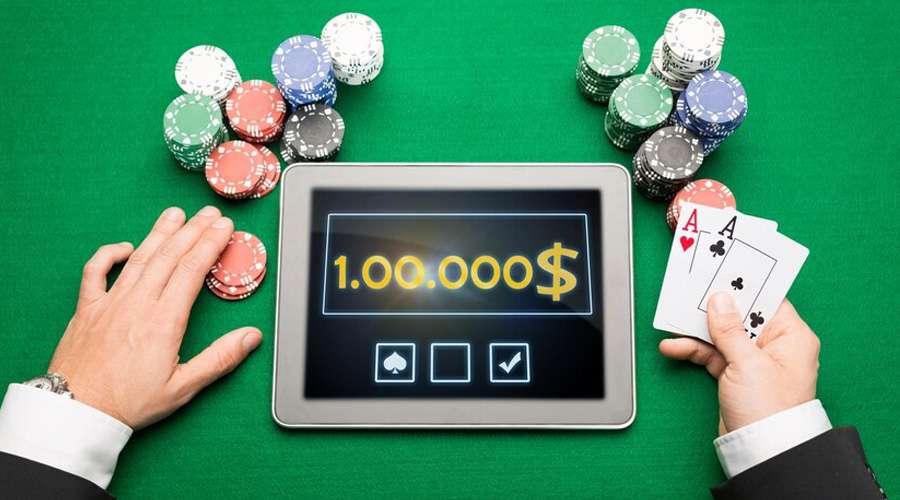
The checkup is broken into distinct areas, each scrutinized by internal auditors and external testers. Financial transparency takes priority. Auditors require a full account of all player funds, which must be held in protected, segregated accounts. Game fairness receives a mathematical grilling. Experts run statistical analysis to certify the RNG’s unpredictability and confirm the game’s published return-to-player (RTP) percentage is accurate. Then there are the anti-money laundering (AML) and know-your-customer (KYC) procedures. Are they effective enough? Finally, and critically, the review examines the operator’s social responsibility. Are adverts directed at vulnerable people? Are safer gambling messages prominent and easy to find? Every single component requires a pass mark before the game can go live again.
Technical and Player Safety Audits
The technical audit leaves no stone unturned. Security teams test defences against cyber attacks. Data protection measures are reviewed against the UK’s Data Protection Act. The game’s software code is analyzed for vulnerabilities a hacker might exploit. On the player safety side, auditors assess the digital trail of every interaction. They test how easy it is for a player to set a deposit limit or take a time-out, and they confirm these actions log correctly in the system.
Focus on Interaction Logs and Support Systems
A particular area of focus is customer interaction logs. The UKGC expects operators to spot players who might be showing signs of harm, and to step in. The annual review assesses the quality of these interventions. Were they appropriate? Were they correct? At the same time, the customer support team faces evaluation. Is their training enough? Can they deal with a routine query about a lost password, and then smoothly move to a sensitive conversation about gambling habits? Their ability to do both effectively is essential.
Separating from Software Updates or Fresh Releases
It’s important not to mistake this mandatory break with a standard system update or a new game launch. While technical patches might be packed into the downtime, the primary reason is the law, not creation. Launching a new Topo Mole capability or a themed update is a business choice to hold player interest. The regular review is separate. It’s a legal obligation focused on servicing, not innovation. The downtime is planned and structured. Standard patches can happen more often and with less fuss, sometimes working unseen without anyone being aware.
Broader Implications for the iGaming Industry
The UK’s model of a mandatory annual review establishes a benchmark for other countries. It builds a culture of continuous adherence, where clearance is not just a one-time occurrence. For the sector, this means higher overheads. Testing fees and compliance teams increase to expenditures. But it also elevates the standard for everybody. The system renders it tougher for unscrupulous companies to enter the market and drives all companies toward greater transparency. The inspection for a product like Topo Mole is a small illustration of a major movement. Regulatory examination is getting more detailed and more forward-looking. The attention has shifted from just granting permits to constantly evaluating how a business operates.
The annual review pause for the Topo Mole Casino Game in the UK is a regulatory evaluation. It’s not a assessment of the title’s entertainment value. This mandatory break highlights an environment where player protection and operational transparency are non-negotiable. The short-term effect is downtime. The long-term aim is a more just, more secure market. It demonstrates how the UK attempts to regulate iGaming with a strict hand.